The NYC Ant Invasion Guide: Identifying and Eliminating Common Species
From carpenter ants in brownstones to pavement ants in kitchens, learn which ants are invading your NYC home and the right way to get rid of them.
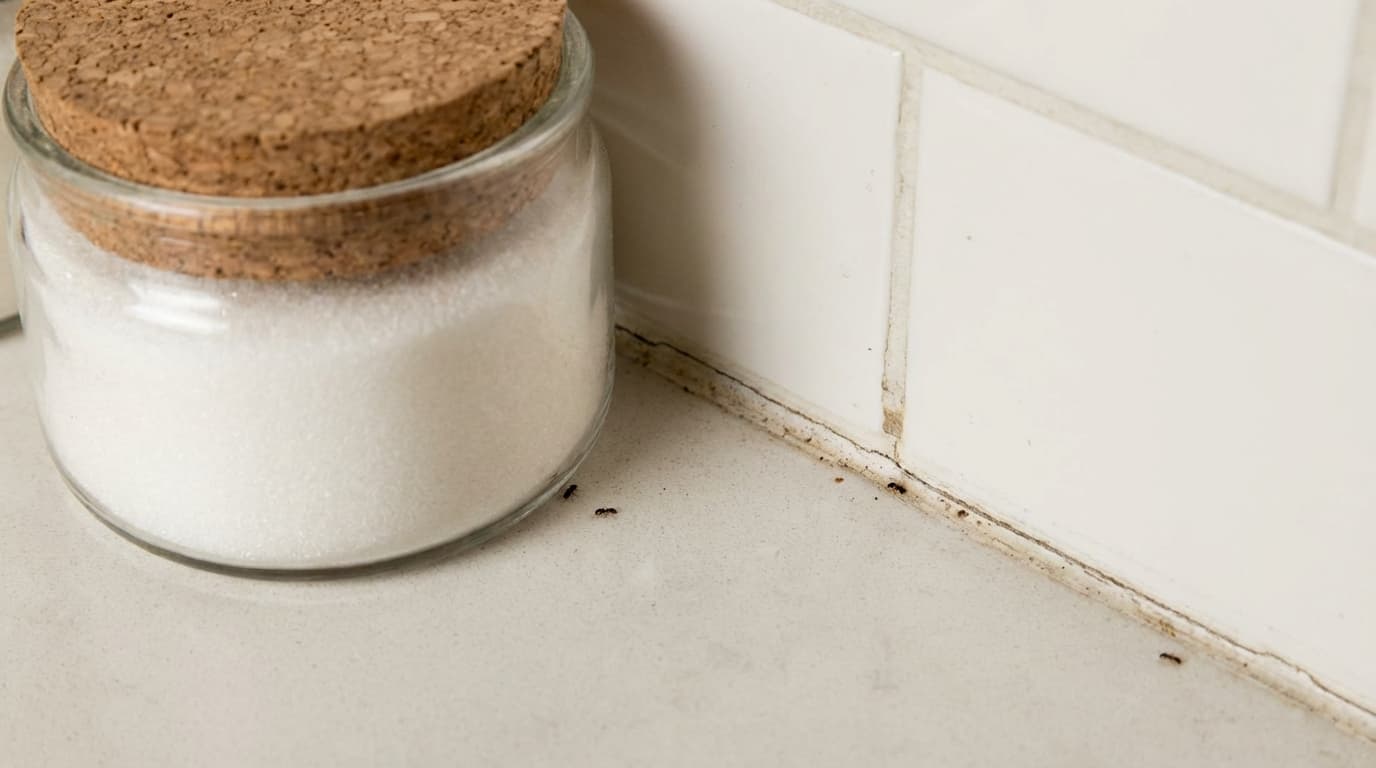
Ants are the number one nuisance pest in the United States, and NYC is no exception. Every spring and summer, millions of New Yorkers watch helpless as trails of tiny invaders march across their kitchen counters, bathroom sinks, and windowsills. The key to solving an ant problem is understanding which species you're dealing with — because the treatment that works for one type can be completely ineffective for another.
The Four Most Common NYC Ant Species
1. Odorous House Ants (Tapinoma sessile)
Appearance: Tiny (1/16 to 1/8 inch), dark brown to black. When crushed, they emit a distinctive rotten-coconut smell — that's how they get their name.
Behavior: These are the classic "kitchen invaders." They form long foraging trails along counters, baseboards, and windowsills, especially in spring and summer. Colonies can number 10,000–100,000 ants and may have multiple queens.
What attracts them: Sugary and greasy foods, moisture, warmth. They're particularly drawn to honeydew-producing aphids on houseplants.
Treatment approach: Sweet liquid baits (like borax-sugar solutions) placed along foraging trails. The workers carry the bait back to the colony, eventually killing the queen(s). Spraying these ants is counterproductive — it causes "budding," where the colony splits into multiple new colonies.
2. Pavement Ants (Tetramorium caespitum)
Appearance: Small (1/8 inch), dark brown with parallel grooves on head and thorax. Often seen with small piles of sand or soil near cracks in pavement, foundations, and between bricks.
Behavior: They nest outdoors in soil under pavement, sidewalks, driveways, and foundations, then forage indoors for food. They're less likely to nest inside than odorous house ants.
What attracts them: They're true omnivores — grease, sweets, seeds, other insects, pet food, and crumbs.
Treatment approach: Protein and sugar bait combinations work well. Sealing entry points along the foundation and ground-level cracks is critical because the colony remains outdoors.
3. Carpenter Ants (Camponotus species)
Appearance: Large (1/4 to 1/2 inch), usually black, sometimes with reddish-brown thorax. The largest ants you'll see in NYC.
Behavior: Unlike termites, carpenter ants don't eat wood — they excavate it to build nests. They prefer moist, damaged, or softened wood. In NYC brownstones and older buildings, they often nest in window frames, porch columns, deck supports, and areas with water damage.
Warning signs: Piles of fine sawdust (called "frass") beneath wood structures, rustling or crunching sounds inside walls, and winged ants emerging indoors in spring.
What attracts them: Moisture-damaged wood, honeydew from aphids, and access to sweet foods indoors.
Treatment approach: Carpenter ants require professional treatment. The nest must be located (often by following foraging trails at night) and directly treated. Simply killing the visible ants won't eliminate the colony, and the structural damage continues until the nest is destroyed.
4. Pharaoh Ants (Monomorium pharaonis)
Appearance: Very small (1/16 inch), light yellow to reddish-brown, nearly translucent.
Behavior: The most difficult ant species to control in buildings. Pharaoh ant colonies can have hundreds of queens and millions of workers. They nest inside heated buildings year-round — in wall voids, behind baseboards, inside electrical equipment, and even between sheets of paper.
What attracts them: They need warmth and moisture more than specific food types, though they prefer protein-rich and sweet foods.
Treatment approach: Strictly bait-only. Sprays or repellents cause budding (colony splitting), making the problem exponentially worse. Professional treatment with a slow-acting bait that the colony passes from worker to worker is the only reliable method.
Why Spraying Doesn't Work (and Often Makes Things Worse)
Reaching for a can of ant spray is the most common and the most counterproductive response to an ant invasion. Here's why:
- It only kills foragers — the 10% of ants you see. The queen and 90% of the colony remain safely in the nest, producing more workers.
- It causes budding — when foragers don't return (because they're dead), the colony interprets this as a threat and splits into multiple satellite colonies. One colony becomes two, then four.
- Repellent sprays redirect trails — ants simply find a new path around the treated area, often emerging in a different room.
The only way to eliminate an ant colony is to kill the queen, and the only way to reach the queen is to use bait that foraging workers carry back to the nest.
Effective Prevention Strategies
- Clean up food spills and crumbs immediately — ants recruit nestmates to food sources within minutes using pheromone trails
- Store food in airtight containers, including pet food
- Fix moisture issues: leaky pipes, poor ventilation, and condensation attract ants and soften wood for carpenter ants
- Seal entry points: caulk cracks along the foundation, around windows and doors, and where utility lines enter
- Trim vegetation away from the building — ants use branches and vines as bridges
- Rinse recyclables before storing them — sticky soda cans and juice bottles are powerful attractants
When to Call a Professional
Contact a pest control professional if:
- You see large black ants (possible carpenter ants) and find sawdust piles — structural damage may be occurring
- You've tried bait for two weeks without improvement
- Ants keep returning despite thorough cleaning and sealing
- You see winged ants emerging indoors — this indicates an established colony inside the structure
- You're dealing with pharaoh ants (tiny, yellowish ants in a heated building)
Need Professional Help?
Our licensed technicians can solve your pest problem quickly.